

Why Is My 2 Year Old Dog Suddenly Aggressive? A Balanced Trainers Take on Maturity Genetics and Leadership

You did everything right with your pup. The endless puppy classes the careful introductions to new people and places the regular check ins at the vet. You might have even made dog park visits a weekly ritual or signed up for daycare on tough workdays. And just when you thought you had this parenting thing down your two year old dog starts growling at strangers snapping at other dogs or even nipping at your heels. You feel totally caught off guard. What went wrong? And why is it hitting now?
This shift is not some mysterious glitch in your dogs personality. It is a mix of biology psychology and the day to day habits you have built together all colliding at once. Once you peek inside what is really brewing in your dogs mind and body during this life stage suddenly it clicks. You are not alone in this and there are clear paths forward.
The Science Behind It All; What Does Social Maturity Even Mean?
A lot of folks assume their dog is basically an adult by six months old. That is when the wild growth spurts taper off and they start looking more like the breed they are meant to be. But mentally and socially things keep evolving long after that.
From what experts have mapped out sexual maturity kicks in between six and nine months for most dogs though it can stretch later for those giant breeds like Great Danes. Social maturity though that is a different story. It unfolds over a broader window from about one to three years old. This is prime time for a dogs true adult temperament to solidify and for some breeds it might not fully settle until they hit three.
Dig a bit deeper and you find fascinating work on epigenetics how environmental factors tweak gene expression without rewriting the DNA itself. Studies show that by around age three these epigenetic markers like DNA methylation start to lock in shaping long term traits including temperament. In essence your two year old is stepping into full adulthood. Their core self is emerging loud and clear. It might surprise you or even challenge you but it is rooted in how they are wired.

When Social Maturity Hits Behaviors Can Bubble Up
It is no accident that a big chunk of dogs winding up in shelters for behavior reasons are right in that one to three year sweet spot. Owners often report aggression or reactivity spiking then leading to tough decisions. Why does this happen? Well for starters confidence surges. Your dog feels stronger and starts pushing limits they ignored as a bouncy puppy. Breed traits amp up too; think herding dogs nipping at heels or guardians staking out territory. Old training might fray without a tune up. And pups who played it safe before? They might now switch to bolder moves because physically they can back them up.
Common flare ups I see include fights between dogs in the same home especially once both hit maturity and start sorting pecking order. Resource guarding over toys or food bowls gets fiercer. Leash reactivity or fence line barking turns into full lunges. And for intact males roaming marking or mounting can crank up thanks to testosterone fueling bolder risks. These are not learned bad habits popping out of thin air. They are biology in motion. Skip the firm guidance though and they snowball quick.

Dog Hierarchies Exist But They Are Nuanced
Talk about dominance and eyes roll. It is a loaded term but science backs that dogs do form social structures. Research on free ranging packs shows clear hierarchies based on access to resources and subtle cues of deference not just fights. It is not a rigid wolf pack ladder. Think fluid and situational. Your dog might back down over dinner but stand ground on a favorite squeaky toy. In multi dog homes unclear roles breed constant drama unless you step in to set the tone.
Dogs do not mistake us for pack mates but they crave direction from us. Flood them with unstructured affection and zero boundaries and they might start dictating terms. That imbalance can spark aggression as they fill the leadership void.

This Aggression Was Building You Just Did not See It Coming
True out of nowhere bites are rare. What feels abrupt is often years of small things adding up. Skipped corrections on early nudges. Overlooked signals like hard stares or body freezes. Handing out too much freedom before they earned it. Weak impulse control from skipped mental workouts. Or lingering scars from scary encounters that never got unpacked.
Some dogs turn insecure and snappy from feeling unled. Others get pushy from zero pushback. The fix? More structure fewer gray areas.
Dog Parks and Daycare Sound Great Until They Backfire
I hear this all the time. "My guy was a social butterfly as a pup. Daycare was his jam!" Awesome in theory. But most spots are sensory overload fests. Dogs rehearse bulldozing through play, bullying postures and sky high arousal. They rarely learn chill neutrality around strangers. Fast forward to two years old when tolerance drops and boom. That once easygoing dog now snaps at rude playmates because they have had enough.
Pups who never mastered polite exits? They ramp up or blow up. It is rehearsal for real world trouble.

The Inside Scoop Hormones and Brain Changes Reshaping Everything
Between 18 months and three years your dogs brain keeps fine tuning. Neurons specialize locking in habits that are tougher to shift later. Patterns solidify so they lean on what has worked before be it a warning growl or a dodge. Hormones play huge too. Testosterone in intact boys ramps risk taking and challenges. Unspayed females might swing moody with cycles.
Dogs with root issues like anxiety or fear? This phase amplifies them. Do not bank on them outgrowing it. Jump in early.
Okay Now What Steps to Turn This Around?
Start with the basics: book a full vet workup. Pain from something like early hip dysplasia, a brewing ear infection, or low thyroid can flip even the sweetest dog into a grouch overnight. Rule that out first, always.
Once the vet gives the all-clear, figure out exactly what flavor of aggression you’re dealing with. Is your dog stiffening and growling because they’re scared and feel cornered? Are they guarding the couch like it’s Fort Knox? Lunging on leash out of pure frustration? Or is it two dogs in the house suddenly deciding who’s boss? Naming it correctly is half the battle.
Next, and this is huge, start respecting your dog’s opinion. If your two-year-old is telling you loud and clear that they do not want that stranger’s hand in their face, or they’re done playing with the pushy lab at the park, listen. Forcing “say hi” or “just play nice” when your dog is uncomfortable is the fastest way to teach them that aggression works to get them out of a situation they don't want to be in. Instead, give them space. Turn and walk away. Be their advocate. That single habit change prevents more blowups than almost anything else.
At the same time, if they cross the line into growling, snapping, or worse, you cannot let it slide even once. Every rehearsal makes the behavior stronger. That doesn’t mean yell or get physical in anger, it means calm, immediate intervention: a firm verbal marker like “No” or “Wrong,” a leash correction if you’re using one, and removing them from the situation entirely. Then and only then do you reset and ask for a better choice (sit, look at you, heel away). The sequence is interrupt, redirect, reward the good. Consistency here is everything.
Stop setting your dog up to fail. If certain places or people reliably wind them up, those are off the menu until the behavior is under control. No more dog park free-for-alls if your dog gets bullied or overwhelmed. No more greeting every jogger on the trail if your dog is leash-reactive. Management buys you time while you train, and it keeps everyone safe.
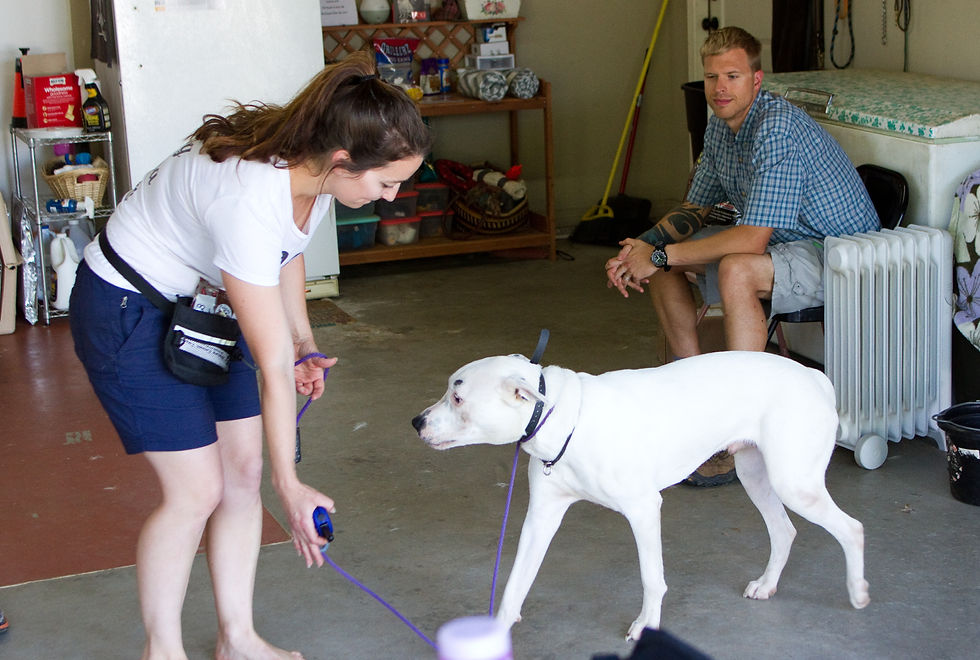
Bring in a balanced trainer who actually works with aggression cases (not just puppy classes). You need someone who can read dog body language in a split second, teach you timing, and give you tools that work in the real world, not just in a treat pouch. Positive reinforcement builds the behaviors you want; fair corrections stop the ones that can hurt someone. Both are required when the stakes are this high.
Structure the day so your dog has to work a little for the good stuff: sit before dinner, wait at doors, place command while you make coffee. Mental exercise and clear rules lower overall arousal and make them look to you for direction instead of taking matters into their own paws.
Do this combination, medical check, respect their thresholds, immediate intervention when lines are crossed, tight management, pro guidance, daily structure, and most dogs turn the corner beautifully. Wait six months hoping it’s a phase and you’re rolling the dice on a bite history that never goes away.
You’ve got time, but not unlimited time. Act this week and your dog will thank you for finally speaking their language.
Corrections Bring Clarity Not Cruelty
Hear me on this. We correct to pause harm and build mutual respect, not to vent. It is about interrupting the bad and guiding the good. Balanced work blends teaching rewards structure and fair stops. Your dog blooms with clear rules. They wilt in free for alls.
Wrapping It Up: You Can Guide Them Through This
Your two year old dog's aggression signals they have grown up. You are meeting the real them shaped by genes, upbringing, and the rules or lack of them you set.
Silver lining? You can redirect this. Delay though and it etches deeper into their go to moves. Own the behaviors get pro eyes on it. Skip the fairy tale that hugs alone heal all.
Your dog does not crave a playmate above all. They need a steady leader. You got this.
References & Sources:
American Kennel Club (AKC) – Canine Sexual Maturity and Breed Differences https://www.akc.org/expert-advice/health/sexual-maturity-in-puppies-what-to-expect/
Bradshaw, J. W. S., et al. (2009). “Social behaviour of domestic dogs living in groups.” Journal of Veterinary Behavior. Confirms fluid, resource-based hierarchies in dogs. https://www.sciencedirect.com/science/article/abs/pii/S1558787814000392
Overall, K. L. (2013). Manual of Clinical Behavioral Medicine for Dogs and Cats. Gold-standard text on adolescent onset aggression and social maturity (widely cited for the 1–3 year behavioral crisis window).
Serpell, J., & Hsu, Y. (2005). “Effects of breed, sex, and neuter status on trainability in dogs.” Anthrozoös. Documents testosterone-linked increases in boldness and aggression in intact males.https://doi.org/10.2752/089279305785594135
Lindblad-Toh, K., et al. (2005) & subsequent canine epigenome studies (2018–2022). DNA methylation and epigenetic stabilization in canine brain development (age 2–3 lock-in period).https://www.nature.com/articles/nature04338 (original genome paper)
ASPCA Shelter Statistics – Behavioral Reasons for Surrender (peak age 1–3 years) https://www.aspca.org/helping-shelters-people-pets/us-animal-shelter-statistics
McGreevy, P. D., et al. (2013). “Dog behavior co-varies with height, body weight, and skull shape.” PLoS ONE. Breed-specific behavioral intensification during social maturity. https://pubmed.ncbi.nlm.nih.gov/24358107/


Comments